
Hair Transplant in Thailand: Cost & Patient Guide
If you’re considering a hair transplant, Thailand is worth looking into. Many patients come here for the combination of warm hospitality and affordable costs without compromising on quality, with patients consistently reporting high satisfaction with both their results and overall experience.
Whether you’re just exploring the idea or ready to book, this guide covers everything you need to know, from costs and the full procedure to preparation, aftercare, patient reviews, and frequently asked questions.
In This Guide
What Is a Hair Transplant?
A hair transplant is a surgical procedure that addresses permanent hair loss by relocating healthy hair follicles from areas of the scalp resistant to balding (typically the back and sides of the head) to areas affected by thinning or baldness. Because the transplanted follicles come from the patient’s own scalp and are genetically resistant to hair loss, the results are permanent and look entirely natural.
The procedure is performed under local anesthesia, meaning patients remain awake but comfortable throughout. Modern techniques use only tiny micro-incisions, classifying hair transplants as minimally invasive with a relatively short recovery time. A session typically lasts between 4 and 8 hours depending on the number of grafts needed.
Is a Hair Transplant Worth It?
Beyond permanently restoring fuller, natural-looking hair, from the hairline to the crown, current research points to a range of additional benefits worth considering.
- Better mental health: Studies suggest hair transplants may help reduce anxiety, depression, and feelings of isolation. Patients also report meaningful improvements in self-esteem, self-confidence, and body image. These psychological gains can have a ripple effect, encouraging healthier habits such as regular exercise and better nutrition, and fostering greater emotional resilience.
- Improved social life: Research shows that men who undergo hair transplants tend to be perceived as younger, more attractive, and more approachable. Combined with reduced self-consciousness, this renewed confidence can open doors professionally and personally.
- Lower risk of skin cancer: Hair naturally shields the scalp from UV radiation. By restoring coverage to balding areas, a hair transplant may help limit UV exposure on the scalp, potentially lowering the risk of sun-related skin damage over time.
These benefits help explain why hair transplants have grown steadily in popularity. According to the International Society of Hair Restoration Surgery (ISHRS), approximately 628,604 procedures were performed worldwide in 2021, about 2.5 times the 251,208 recorded in 2010, reflecting a dramatic shift in how people approach hair loss.
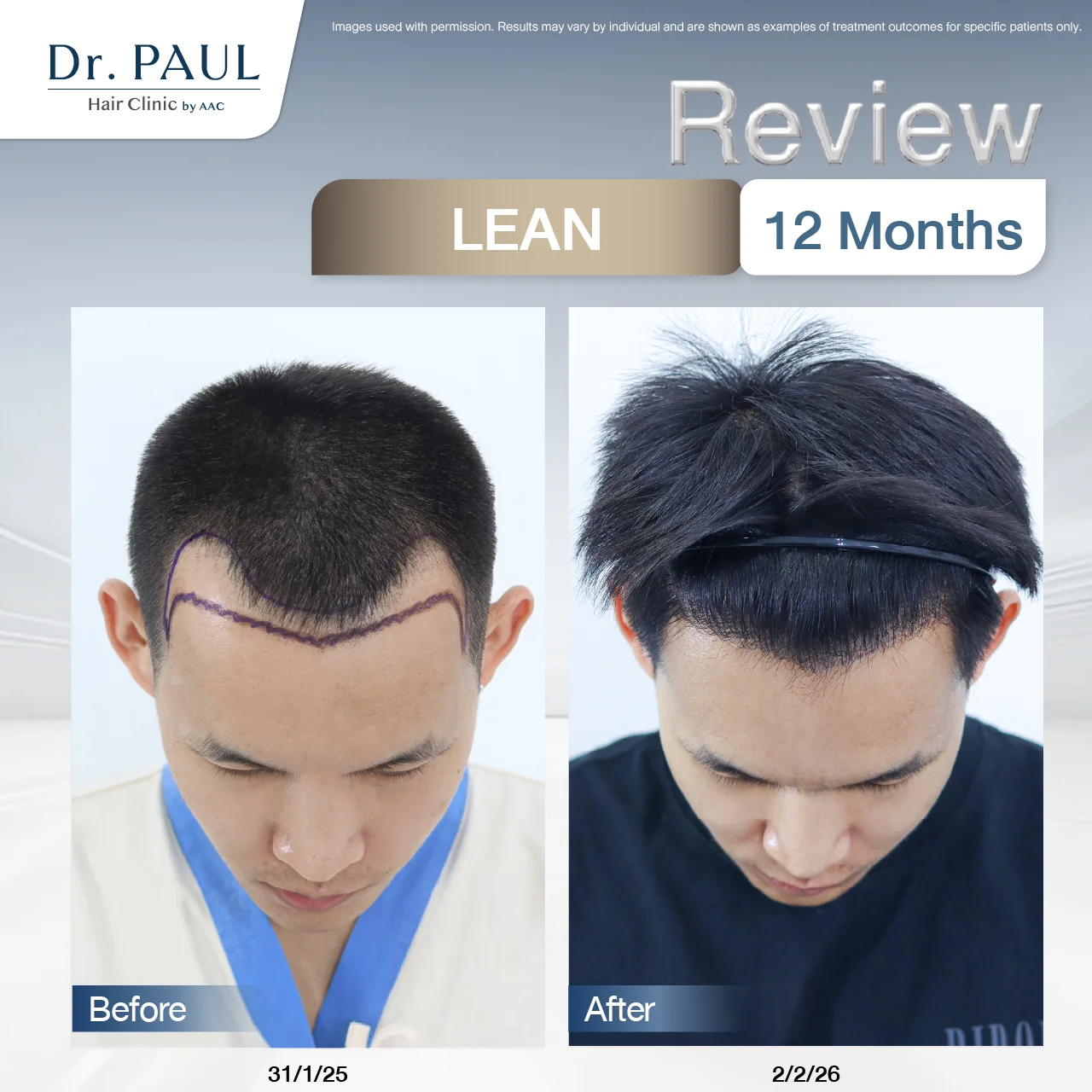
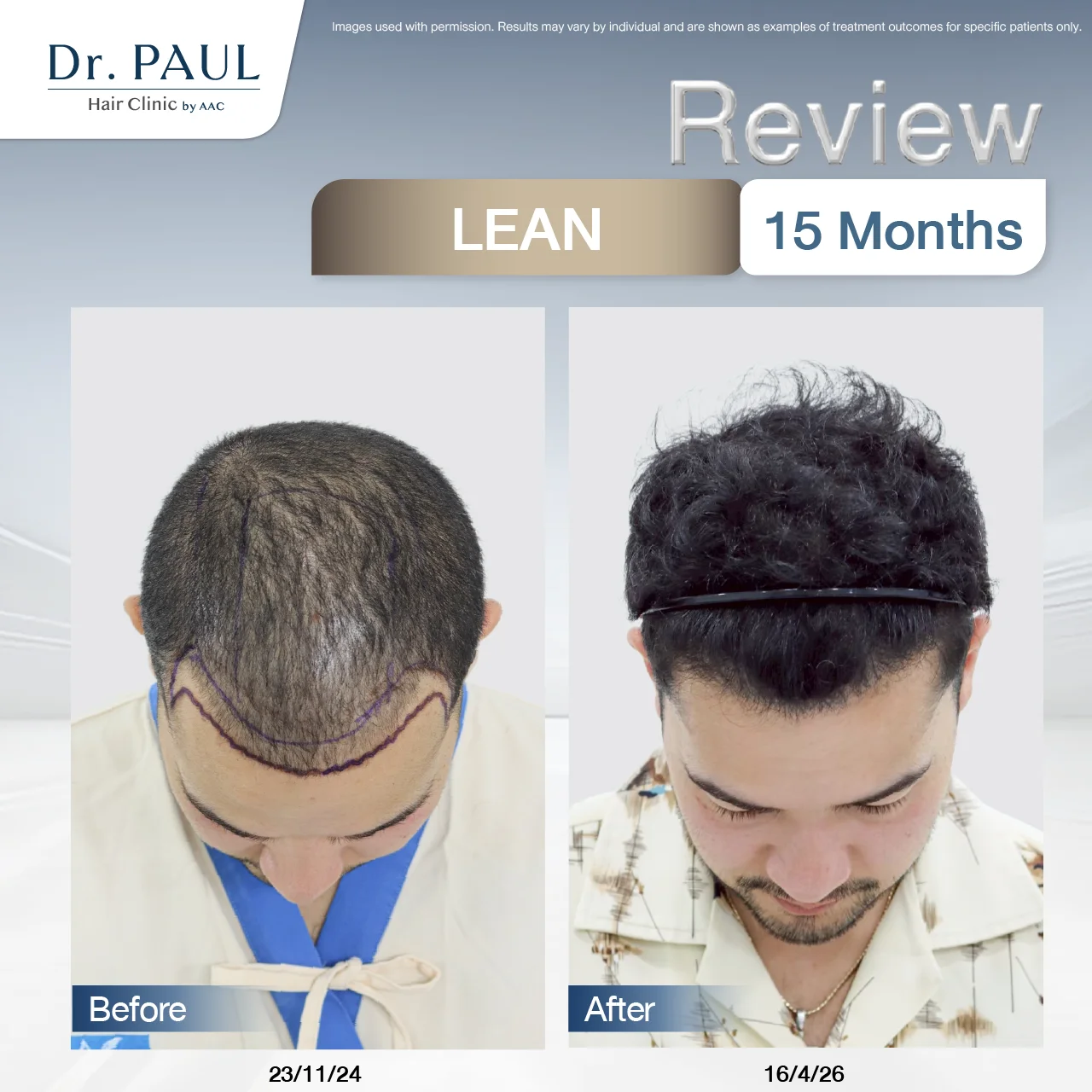
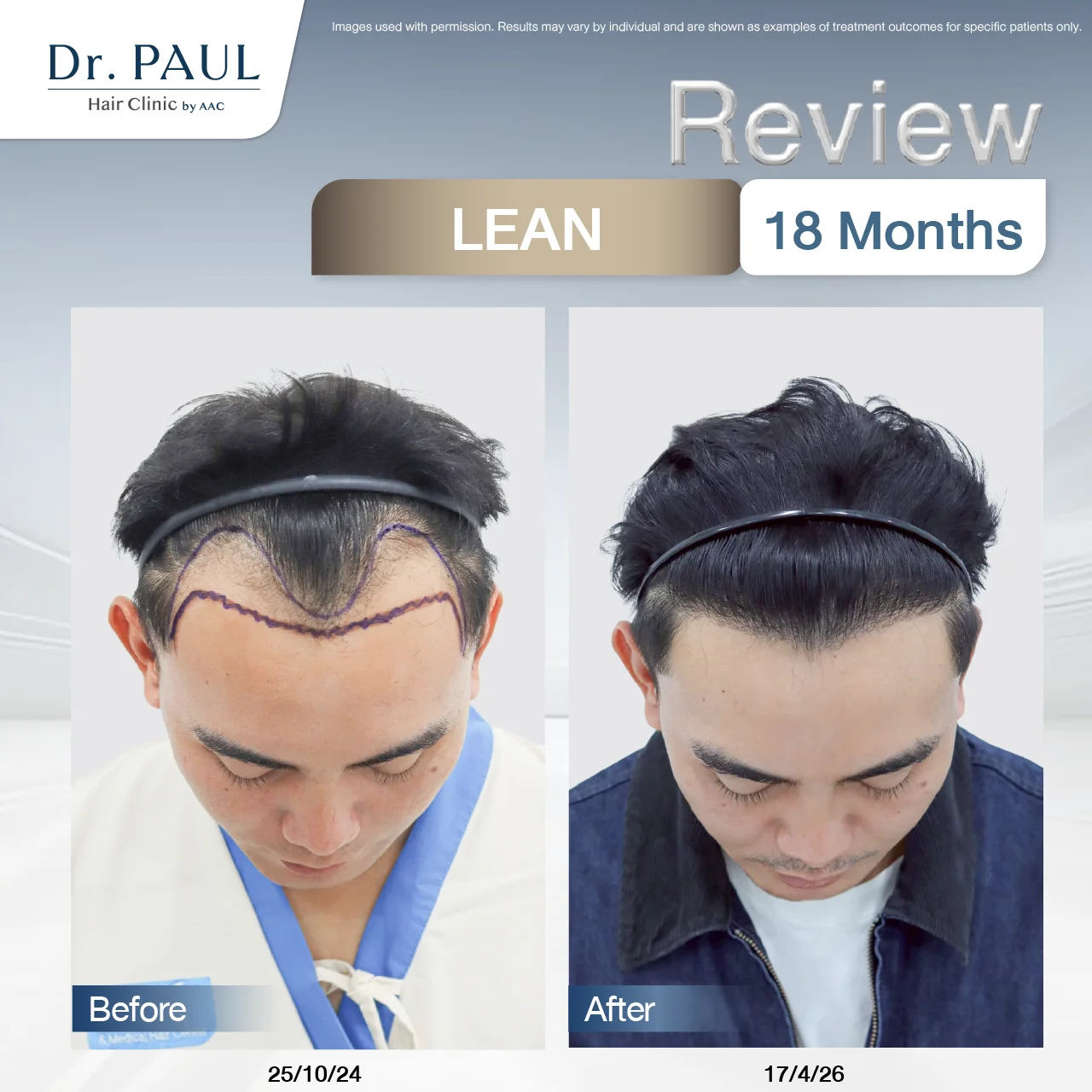
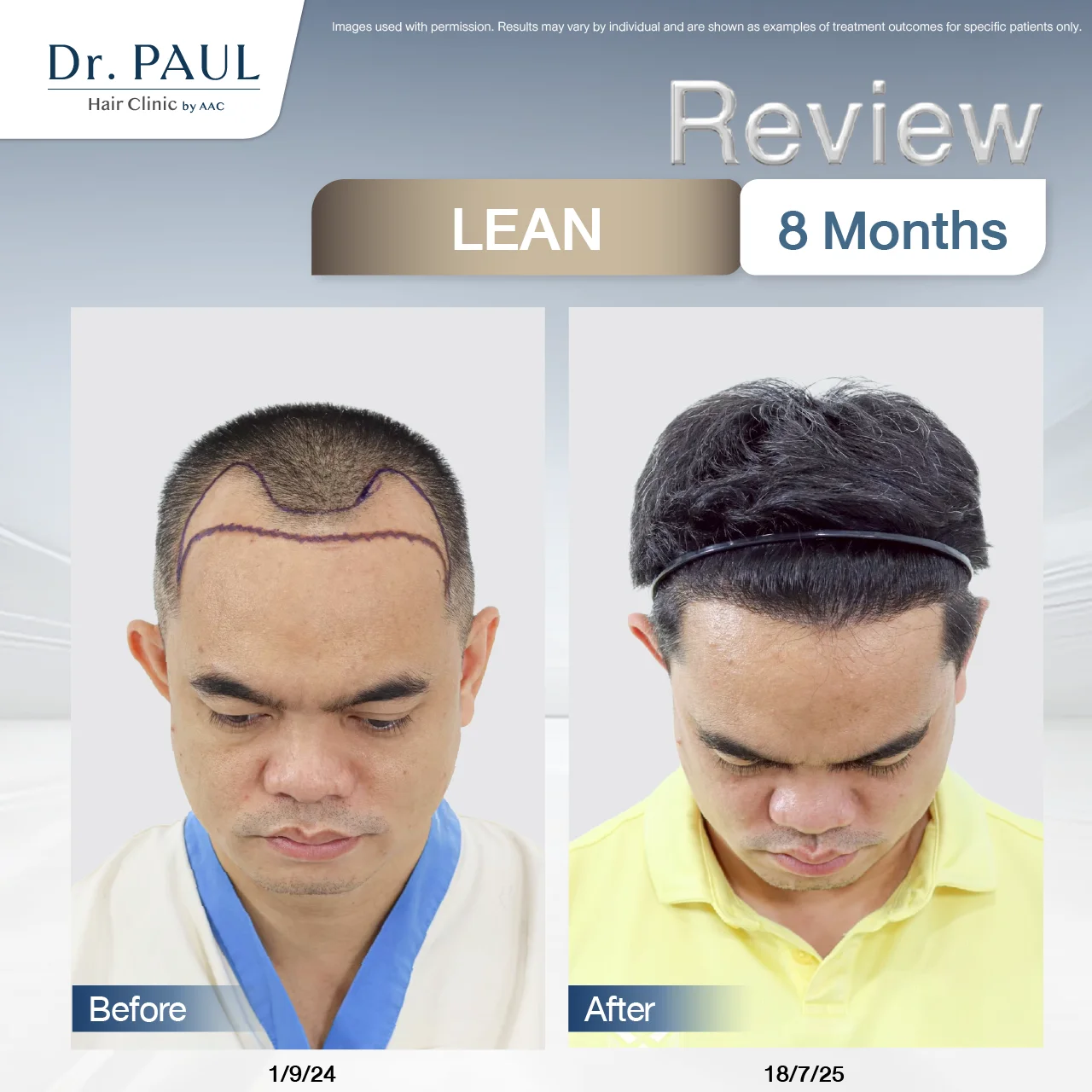
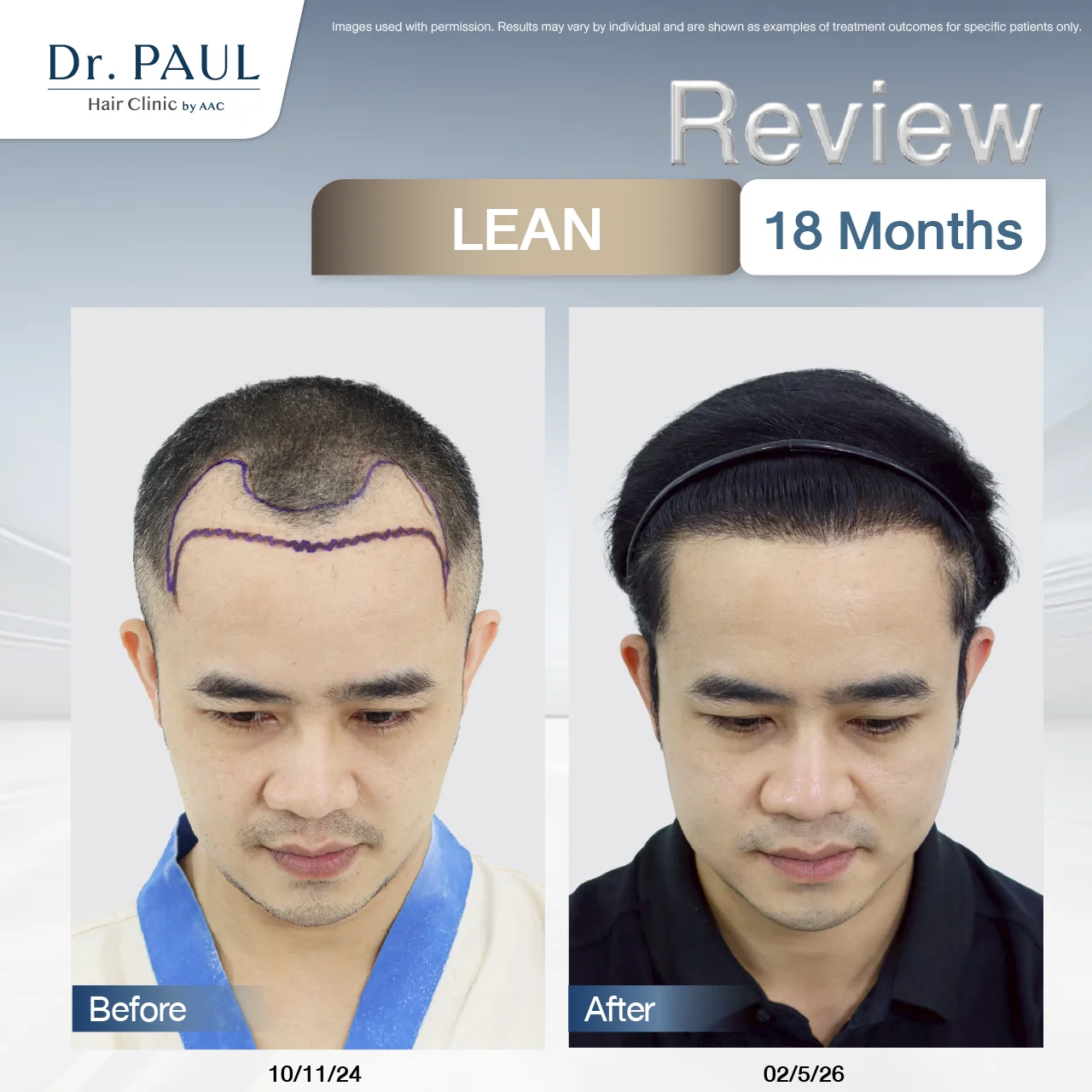
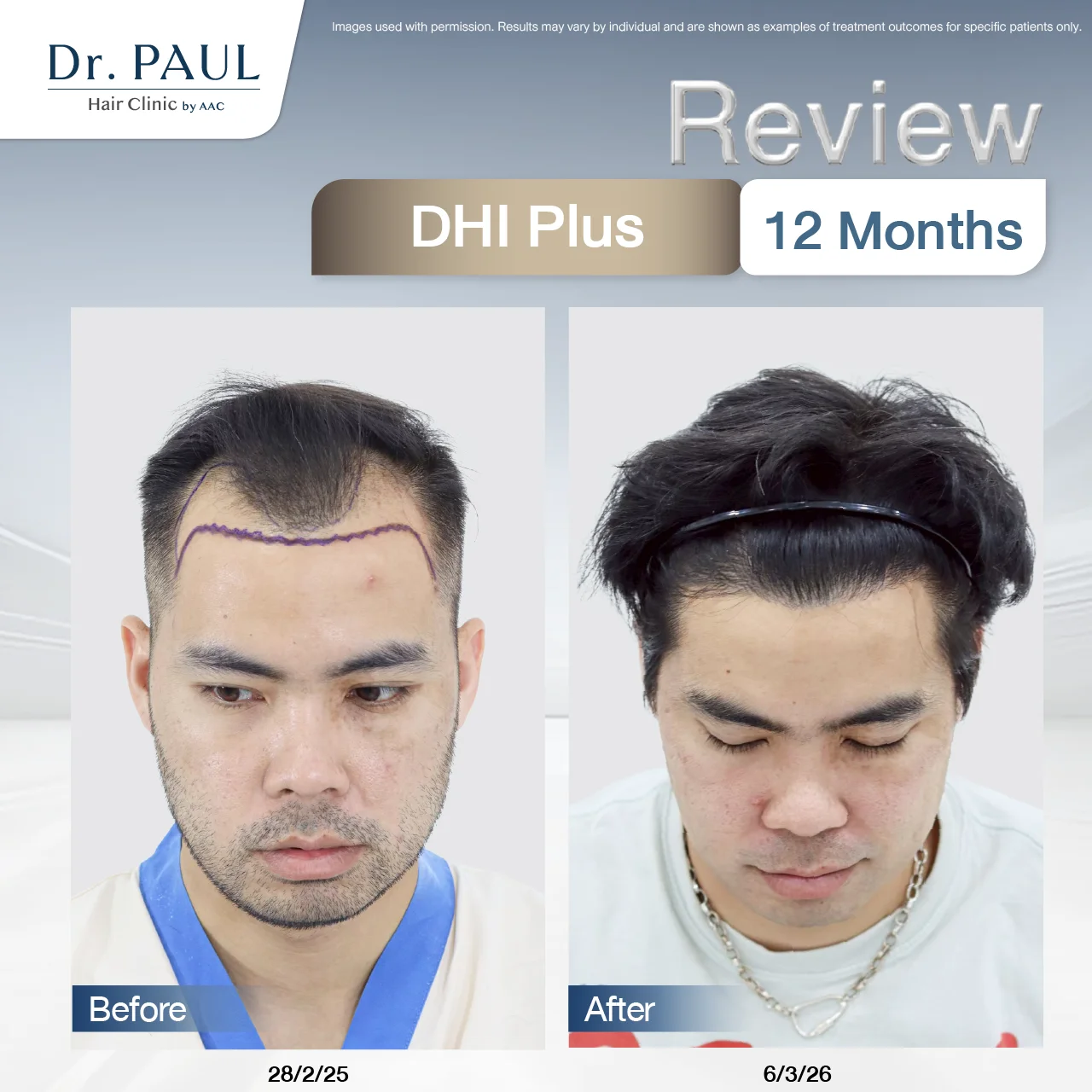
Before and After Hair Transplant Reviews
Who Is a Good Candidate for a Hair Transplant?
A hair transplant may be a suitable option for individuals who fall into one or more of the following categories:
- Those experiencing hair loss, thinning, a widening part line, or baldness due to permanent causes such as genetics
- Those with an uneven or disproportionate hairline, a notably high forehead, or a significantly receding hairline
- Those affected by traction alopecia, a condition commonly seen in individuals who frequently wear tight hairstyles such as braids, ponytails, or extensions
- Those with scalp scarring caused by burns, trauma, surgery, infections, or certain skin conditions
Who Is Not a Good Candidate for a Hair Transplant?
On the other hand, certain conditions or circumstances may make an individual unsuitable for a hair transplant:
- Unstable hair loss: Proceeding too early can lead to further loss that requires an additional procedure. These individuals are advised to undergo conventional treatment for at least 6–12 months until their condition stabilizes.
- Diffuse unpatterned alopecia: This condition causes widespread hair loss with no clear pattern, often affecting the donor area as well — leaving insufficient donor hair, or hair that may continue to shed even after transplantation.
- Alopecia areata: As an autoimmune condition, it carries a significant risk of recurring hair loss following the procedure.
- Ectodermal dysplasia: This genetic disorder results in thin, sparse hair from birth, typically leaving insufficient donor hair for transplantation.
- Body dysmorphic disorder: Affected individuals may perceive flaws beyond what is objectively present and remain dissatisfied even after a successful outcome. A psychiatric evaluation is strongly recommended beforehand.
- Uncontrolled systemic conditions: Unmanaged diabetes, hypertension, or heart disease can compromise both the safety and effectiveness of the procedure. Prior consultation with a treating physician is essential.
- Certain unhealthy lifestyle habits: Smoking and alcohol consumption can negatively affect graft survival and impair the body’s healing process, increasing the risk of poor outcomes.
Hair Transplant Cost in Thailand
Thailand has become one of the world’s leading destinations for hair transplants, offering a compelling combination of affordable pricing, high medical standards, and renowned Thai hospitality.
At Dr. PAUL Hair Clinic, we welcome patients from around the world who are seeking quality results at a reasonable cost. Here is a breakdown of our pricing:
Per-Graft Pricing
Our per-graft pricing ranges from THB 89–300 per graft, depending on the technique selected. Here’s an example of how that breaks down by graft count:
- 1,000 grafts: THB 89,000–300,000
- 2,000 grafts: THB 178,000–600,000
- 3,000 grafts: THB 267,000–900,000
Fixed-Price Promotion Pricing
We also offer flat-rate packages starting from just THB 75,000, regardless of the number of grafts implanted. (Price varies by technique and package.) These packages also include a range of added benefits designed to support your results, making them the more cost-effective choice in most cases.
*Prices and promotions are subject to change. Please check with our official channels or any of our locations for the latest information.
Hair Transplant Techniques
There are several hair transplant techniques available today, and choosing the right one depends on your hair loss pattern, scalp condition, and personal preferences. That’s why Dr. PAUL Hair Clinic in Thailand offers five techniques, including both shaved and non-shaved options, to match every patient’s unique situation.
FUE Hair Transplant
Follicular Unit Extraction (FUE) is a hair transplant technique that harvests individual follicular grafts one at a time through precise micro-punches, resulting in significantly smaller wounds and a faster recovery compared to the older Follicular Unit Transplantation (FUT) method, which requires surgically excising a long strip of scalp from the occipital (back-of-head) region to obtain grafts.
Once harvested, the grafts are placed in a preservation solution to maintain their viability. The doctor then creates the recipient sites by making micro-incisions in the treatment area, before carefully implanting each graft using surgical forceps until the procedure is complete.
Throughout the FUE procedure, local anesthesia is administered to ensure the patient remains comfortable and pain-free. A tumescent solution — a saline mixture containing local anesthetic and epinephrine — is also injected into the scalp. This causes the tissue to expand temporarily, which minimizes bleeding and allows for greater precision during graft placement.
DHI Hair Transplant
Direct Hair Implantation (DHI) is a hair transplant technique developed as an advancement of the FUE method. Like FUE, it extracts hair follicle grafts individually using a punch tool.
What sets DHI apart, however, is its use of a specialized implantation device known as the DHI Implanter (or Choi Implanter Pen), which combines both the incision and implantation steps into a single instrument. This eliminates the need to pre-make recipient sites in the scalp, as is required with FUE.
Furthermore, the pen offers greater precision in controlling the angle, direction, and depth of each implanted follicle, typically resulting in smaller wounds and making it particularly well-suited for procedures that demand a higher degree of detail and accuracy.
LEAN Hair Transplant
LEAN (Dr. PAUL’s Technique) is a proprietary hair transplant technique developed by Dr. Paul at Dr. PAUL Hair Clinic as an advancement of the DHI method. It introduces an additional step of trimming the fatty tissue from each hair graft (resulting in “leaner” grafts, hence the name).
It also employs specially designed implantation tools tailored to each specific area of the scalp, along with a significantly smaller punch size, resulting in smaller wounds, less bruising and swelling, faster recovery, and the ability to achieve higher implantation density and more natural-looking results than other conventional techniques.
The LEAN technique typically requires shaving the donor area (the back and sides of the head) prior to graft extraction. For those who prefer to avoid shaving, however, two alternatives are available: LEAN Non-Shaven and LEAN Long Hair.
LEAN Non-Shaven Hair Transplant
LEAN Non-Shaven is a technique that eliminates the need to shave the back and sides of the head. This allows you to return to your daily routine after the procedure with minimal visible change. The transplanted grafts, however, are trimmed short before harvesting.
As LEAN Non-Shaven is built upon the LEAN technique developed at Dr. PAUL Hair Clinic, it shares the same core advantages: smaller wounds, less bruising and swelling, faster recovery, and the ability to achieve higher implantation density and more natural-looking results compared to conventional techniques.
LEAN Long Hair Hair Transplant
LEAN Long Hair is another technique that requires no shaving at the back and sides of the head. Grafts are extracted at full length and trimmed to match the hair in the recipient area, giving patients long hair and a fuller hairline right after the procedure. The immediate results are natural enough that a transplant is hard to notice.
As LEAN Long Hair is likewise built upon the LEAN technique, it shares the same core advantages: smaller wounds, less bruising and swelling, faster recovery, and the ability to achieve higher implantation density and more natural-looking results compared to conventional techniques.
Hair Transplant Process
The exact steps may vary depending on the technique used, but the general process is as follows:
- Consultation: Receive a thorough consultation and assessment from an experienced doctor to determine your suitability for a hair transplant, the most appropriate technique, the estimated number of grafts needed, and all other important details.
- Personalized treatment plan: Receive a treatment plan designed specifically for you, complete with a clear timeline, cost breakdown, and a full outline of what to expect, ensuring full transparency and confidence in your decision.
- Pre-procedure preparation: On the day of the procedure, the doctor will design your hairline, shave the donor area (except for LEAN Non-Shaven and LEAN Long Hair, which require no shaving), administer local anesthesia, and may provide a mild sedative for patients who experience higher levels of anxiety.
- Graft extraction: The doctor uses a small punch tool to extract grafts one by one, carefully distributing the extraction across the donor area to maintain natural-looking density at the back and sides of the head.
- Graft preparation: Extracted grafts are stored in a preservation solution to maintain their quality, then carefully sorted for implantation. Depending on the technique, this stage may also include trimming excess fatty tissue from the grafts.
- Graft implantation: Healthy grafts are implanted into the prepared recipient area using instruments specific to each technique. For FUE, recipient sites are pre-made using a blade or needle before grafts are placed with forceps, while DHI and LEAN use specialized implanters to perform both steps simultaneously.
- Post-procedure care: Receive attentive aftercare following the procedure, including detailed aftercare instructions and regular long-term follow-up appointments with your doctor to ensure lasting results.
How to Prepare for a Hair Transplant
To ensure the best possible results and a safe procedure, patients are advised to follow these preparation guidelines:
- Stop blood-thinning medications 72–96 hours before the procedure. This must be done only after consulting with and receiving clearance from your prescribing doctor.
- Avoid anti-inflammatory medications for 1 week beforehand, such as aspirin, ibuprofen, and diclofenac, as these can slow blood clotting.
- Stop supplements that affect blood clotting for 1 week beforehand, such as vitamin E, fish oil, garlic, turmeric, ginkgo biloba, and ginseng.
- Avoid alcohol for at least 1 week before the procedure, including spirits, beer, and wine, as it can interfere with blood clotting.
- Quit smoking for at least 1 week beforehand, including cigarettes, shisha, and vape, and avoid secondhand smoke as well. Smoking impairs circulation, reducing the oxygen and nutrients that reach hair follicles.
- Do not use hair styling products in the 24 hours before your procedure, such as wax, gel, or hairspray, as these can interfere with the transplant process.
- Avoid dyeing your hair for at least 4 days beforehand, as dye can cause scalp irritation and make it harder to assess grafts.
- If you’re considering a haircut, get it done beforehand, ideally 1–2 days before your appointment so your hair is neat and settled.
- Get a good night’s sleep in the days leading up to your procedure to ensure your body is in optimal condition for both the surgery and recovery.
- Avoid caffeinated drinks 1–2 days beforehand, including coffee, tea, and energy drinks, to prevent any impact on blood pressure and anxiety.
- Have a light, balanced meal before arriving. Avoid anything heavy, fatty, or spicy on the day of your procedure, as this can cause discomfort during the session. Unless your doctor has specifically instructed you to fast, eating beforehand helps stabilize your blood sugar and prevents nausea or dizziness.
- Wear a button-front shirt on the day of your procedure, so you can easily put it on and take it off without disturbing your head or hair.
Hair Transplant Aftercare
Following the right aftercare routine helps ensure the best possible results and can prevent or minimize complications.
- Take all medications as prescribed. Following your procedure, your doctor may prescribe pain relievers, anti-inflammatory medication, antibiotics, and hair growth medication depending on your case. Take these exactly as directed. While side effects are uncommon, contact your doctor if you notice anything unusual, such as an allergic reaction, severe discomfort, or symptoms that concern you.
- Sleep in the correct position. Avoid sleeping on your stomach or side. Sleep on your back using a U-shaped neck pillow or an inflatable donut pillow to prevent the transplanted area from making direct contact with any surface. This position also keeps your head slightly elevated, which helps reduce swelling. Maintain this sleeping position for at least the first 7–10 days, or as advised by your doctor.
- Avoid touching the treated area. Do not touch, scratch, or pick at the transplant area, and be careful not to bump your head against anything. Doing so can dislodge grafts and increase the risk of infection.
- Avoid exercise and strenuous activity for at least 2 weeks after your procedure. Physical exertion can disturb grafts that are still settling, and sweat can increase the risk of infection.
- Protect the area from sun exposure for at least 1 month. UV radiation can damage newly transplanted grafts.
- Wash your hair correctly. Avoid washing your hair in the first 24–48 hours after the procedure. After that, you may gently clean the area following your doctor’s specific instructions. Generally, this involves lightly misting the area with saline solution or clean water in a spray bottle, and possibly using a mild shampoo. Do not use a shower head or faucet with strong water pressure, and never rub or scrub the scalp. Let the water run gently over the transplanted area, then pat dry carefully with a soft, clean towel.
- Avoid alcohol for at least the first 1–2 weeks, including spirits, beer, and wine. Alcohol impairs blood clotting, which can worsen swelling and increase the risk of bleeding. It may also negatively affect your immune system and slow wound healing.
- Avoid smoking for at least the first 2–4 weeks, including cigarettes, vape, and shisha. Many of these products contain nicotine and other substances that restrict blood flow, reducing the oxygen and nutrients available to hair follicle cells and slowing healing. Secondhand smoke can have the same effect, so it is best avoided as well.
- Eat well and maintain a balanced diet to ensure your body receives adequate energy, protein, iron, zinc, vitamin C, biotin, and other essential nutrients needed for wound healing and graft recovery.
- Avoid heat and chemical treatments on your hair. Wait at least 3–6 months, or until cleared by your doctor, before dyeing, perming, straightening, using heat styling tools, or applying any chemical products to your hair. These can damage newly transplanted grafts.
- Consult your doctor before using any hair products. If you wish to use hair growth products, serums, vitamins, or other treatments, always check with your doctor first to ensure they will not affect your results.
- Attend all follow-up appointments so your doctor can assess your progress and provide any additional care needed. At Dr. PAUL Hair Clinic, complimentary wound care, hair washing, and scab removal services are available at scheduled intervals following your procedure.
Hair Transplant Growth Timeline
Transplanted hair typically begins to grow around 3–4 months after the procedure, with full results visible within 12–18 months. Here is what typically happens at each stage:
- 2–8 weeks: Some patients experience temporary hair shedding known as shock loss. This is a normal response in some individuals, triggered by the physical stress of the procedure.
- 3–4 months: New hair begins to emerge, initially appearing as fine, thin strands.
- 6–7 months: The new hair becomes noticeably longer and stronger.
- 9–12 months: Most patients begin to see clear results close to what they had hoped for, with marked improvements in thickness, strength, and how naturally the hair blends in.
- 12–18 months: The final results of the hair transplant are fully realized within this period, with hair that is strong, natural-looking, and indistinguishable from the surrounding hair.
Dr. PAUL Hair Clinic Locations
Dr. PAUL Hair Clinic has locations across six provinces in Thailand:
FAQ About Hair Transplant
Your Hair Transplant Questions Answered by Dr. PAUL Hair Clinic.
Does Hair Transplant Hurt?
Most patients report minimal discomfort during a hair transplant procedure, as local anesthesia is administered beforehand. Modern techniques also use very small extraction tools to minimize any trauma to the scalp. Following the procedure, your doctor will prescribe pain relief medication to help manage any mild tension or discomfort that may occur in the first few days after the procedure.
Can People Living with HIV Get a Hair Transplant?
People living with HIV may be eligible for a hair transplant if they meet the following criteria:
- An undetectable viral load in the bloodstream
- A CD4 count above 500/mm³ (in some cases, above 200/mm³ may be acceptable)
- No other contraindications for the procedure
As long as these conditions are met, a hair transplant is generally considered safe to proceed.
Do You Need to Shave Your Head for a Hair Transplant?
A hair transplant can be performed with or without shaving. At Dr. PAUL Hair Clinic, we offer non-shaven options for patients who prefer to keep their existing hair intact:
- LEAN Non-Shaven Technique: This option is based on Dr. Paul’s proprietary LEAN technique, which minimizes incision size, reduces swelling and bruising, and delivers denser, more natural-looking results. With this option, the donor area at the back and sides does not need to be shaved, but the transplanted grafts are trimmed short.
- LEAN Long Hair Technique: Also built on Dr. Paul’s LEAN technique, this option goes a step further by using longer hair grafts, so you can see immediate length right after the procedure. The back and sides of the head remains unshaved, making it virtually unnoticeable to others that you have had a hair transplant.
How Long Is Hair Transplant Recovery Time?
Most patients are able to return to light, non-strenuous work — such as a typical office job — within 2–5 days after their procedure. For outdoor work or physically demanding activities, it is advisable to wait at least 7–14 days, as recommended by your doctor.
To achieve the best possible results, patients should follow their doctor’s post-care instructions closely. This includes refraining from smoking and alcohol, avoiding any contact with the grafted area, sleeping in the recommended position, and washing the hair gently — beginning only after the initial recovery period and strictly according to your doctor’s guidance.