
Hair Transplant Results
at Dr. PAUL Hair Clinic
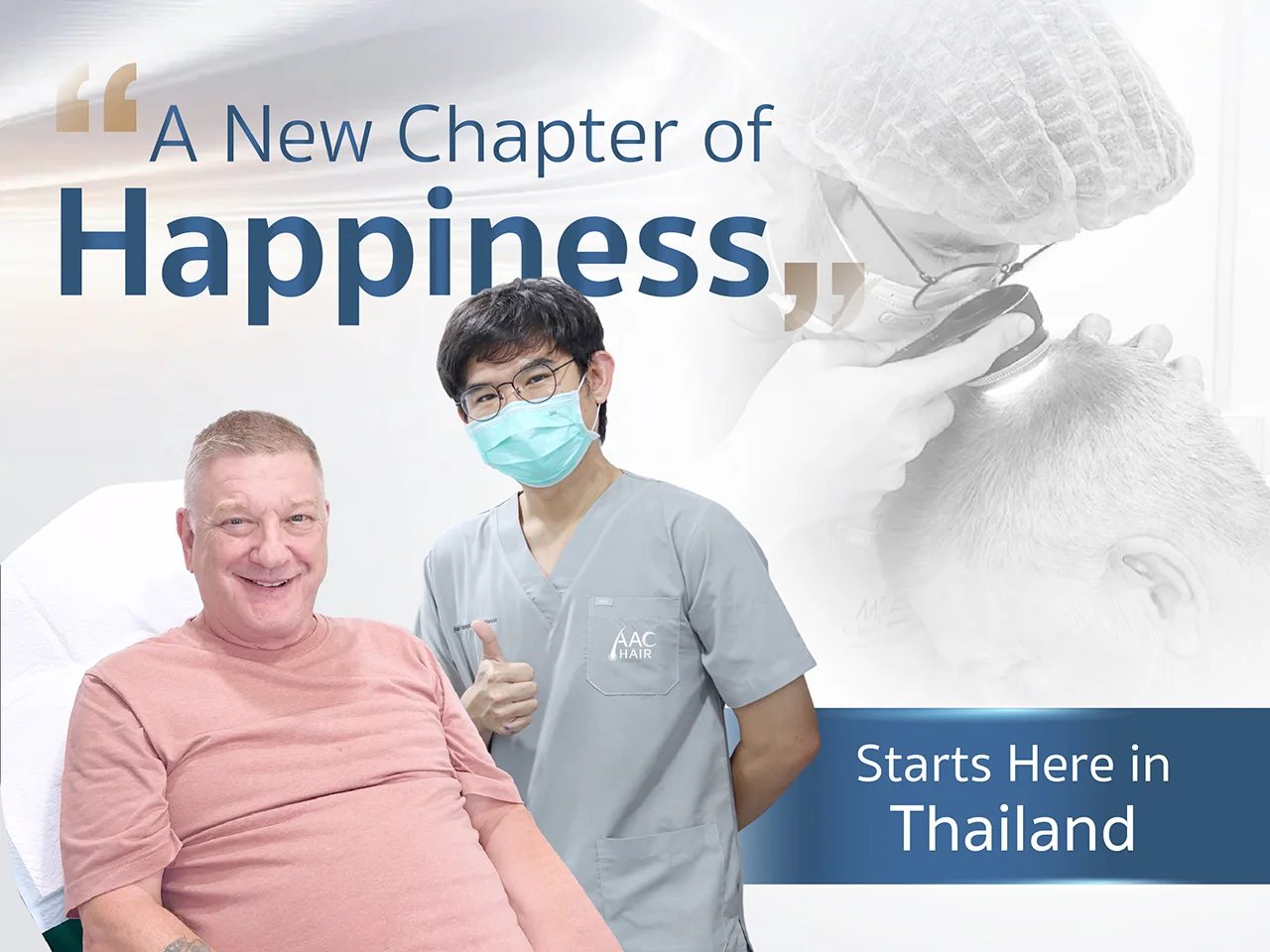
For many people, a hair transplant does more than restore thicker hair.
It transforms something deeper within, building confidence and
self-esteem that positively impact many aspects of life.
For many people, a hair transplant does more than restore thicker hair. It transforms something deeper within, building confidence and self-esteem that positively impact many aspects of life.


Before and After Hair Transplant Reviews
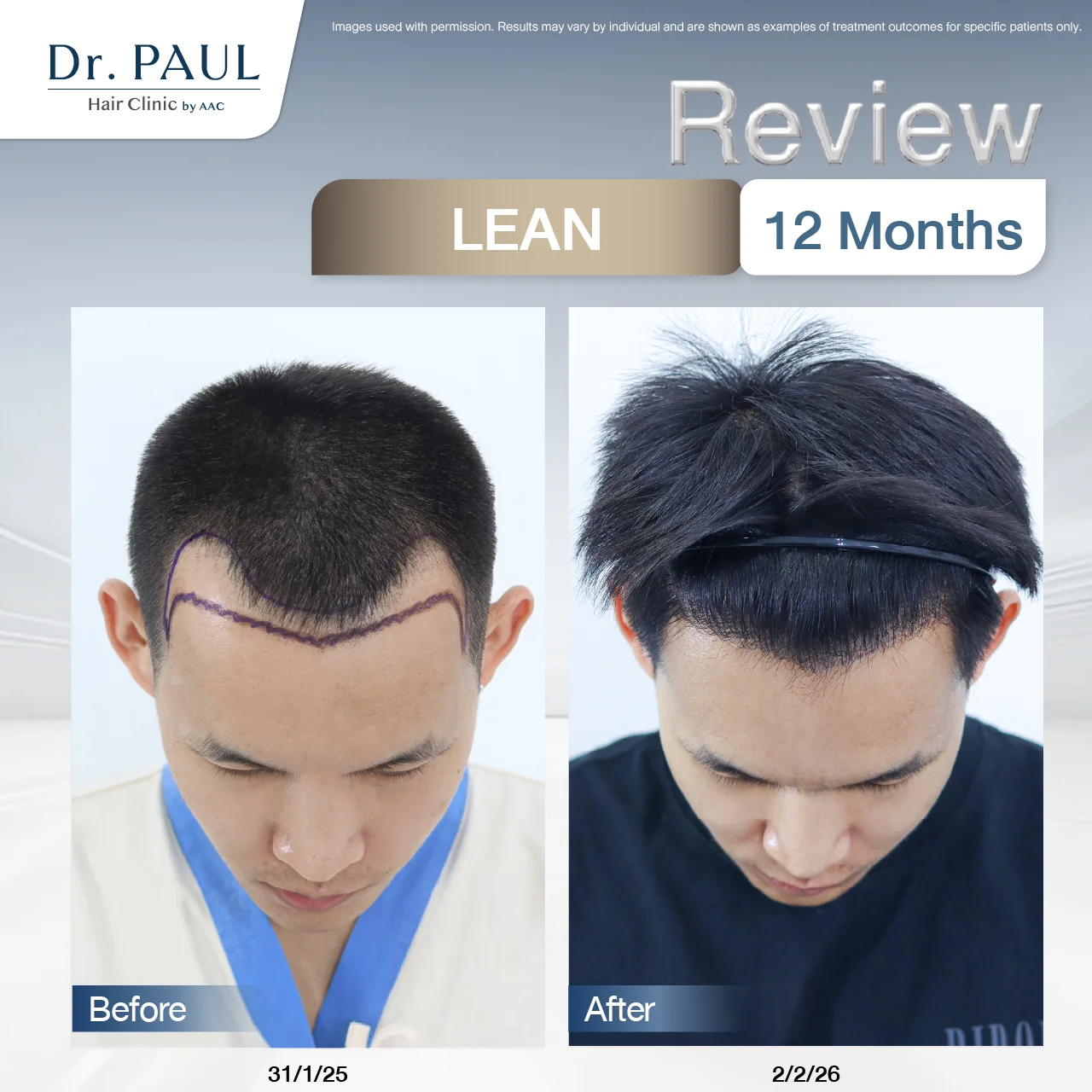
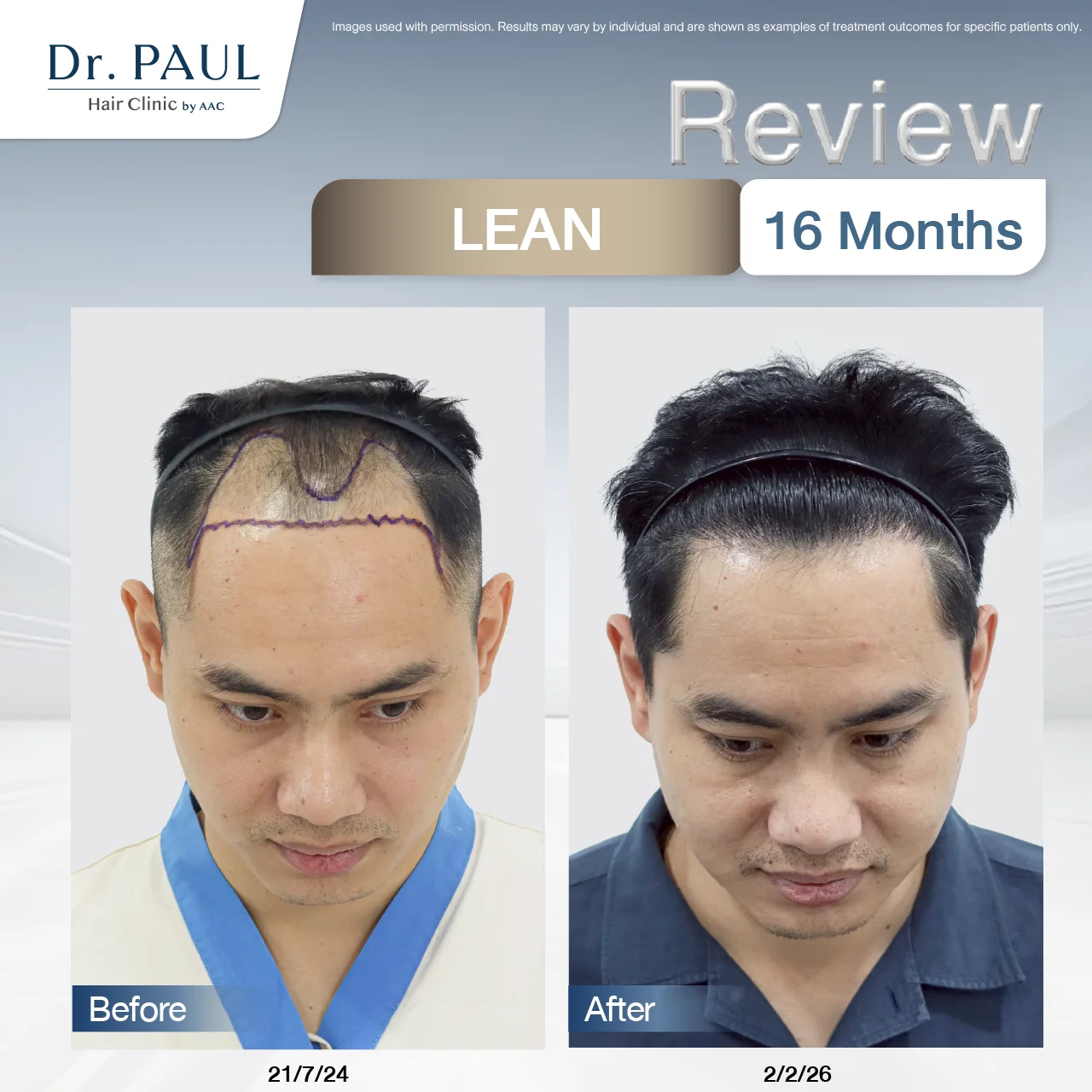
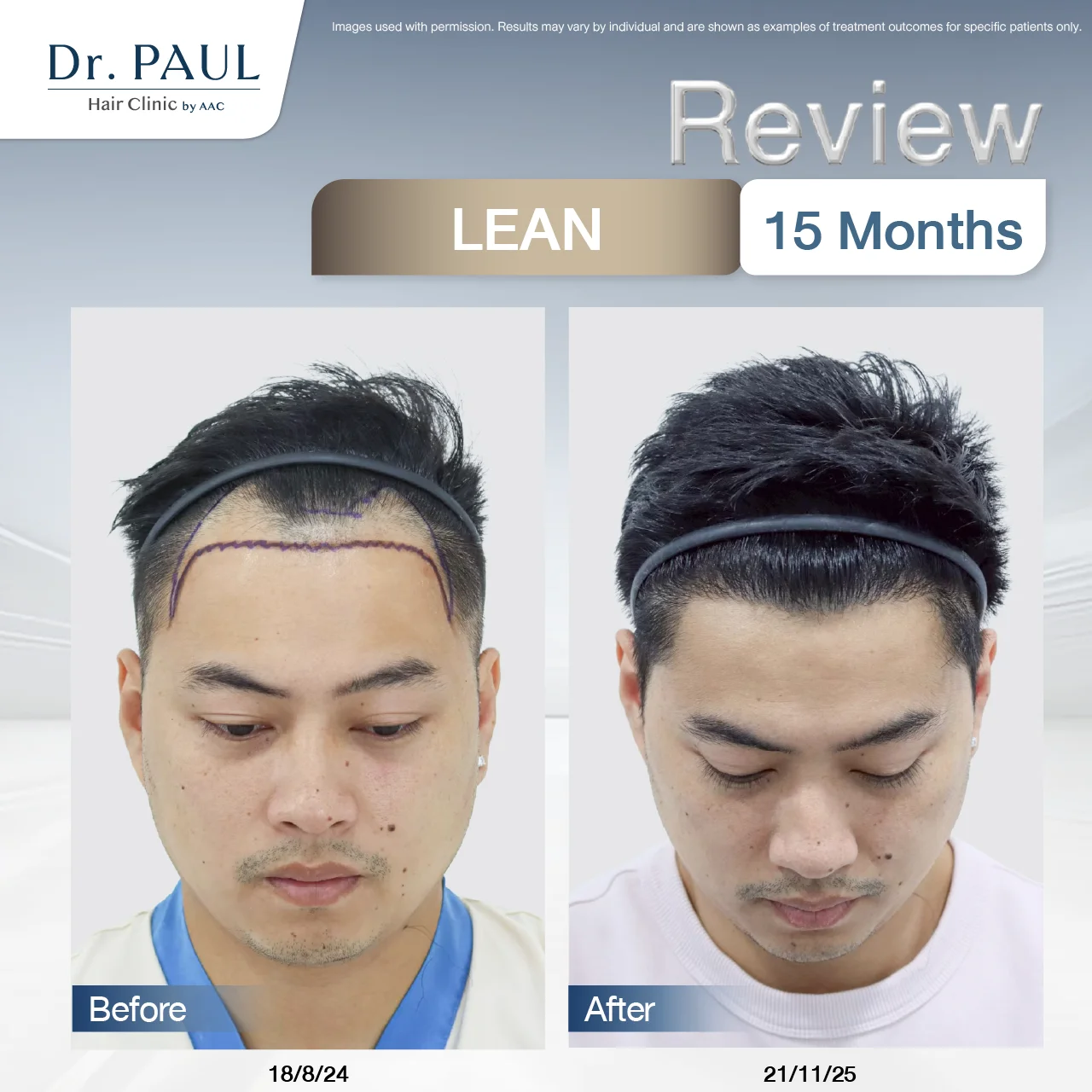
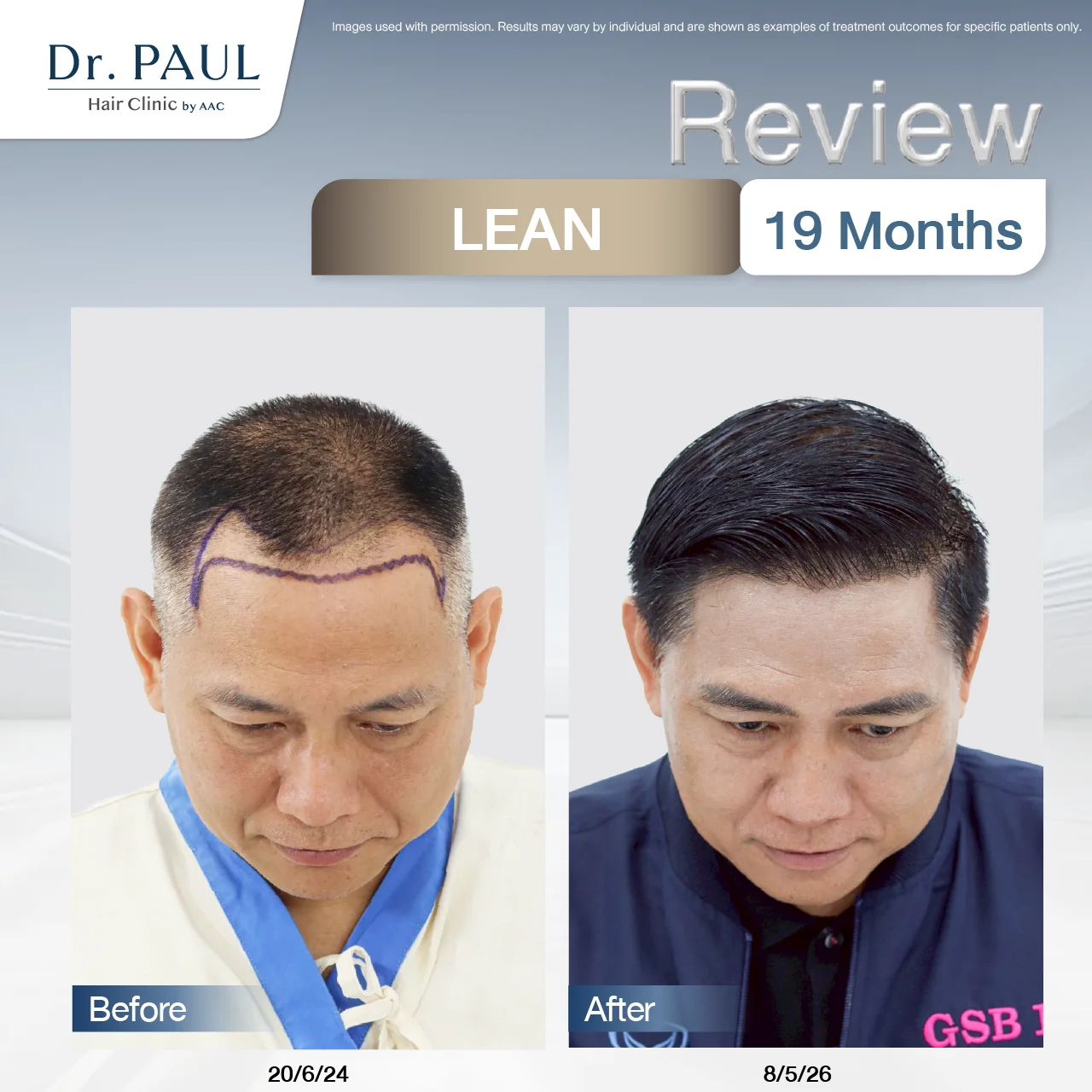
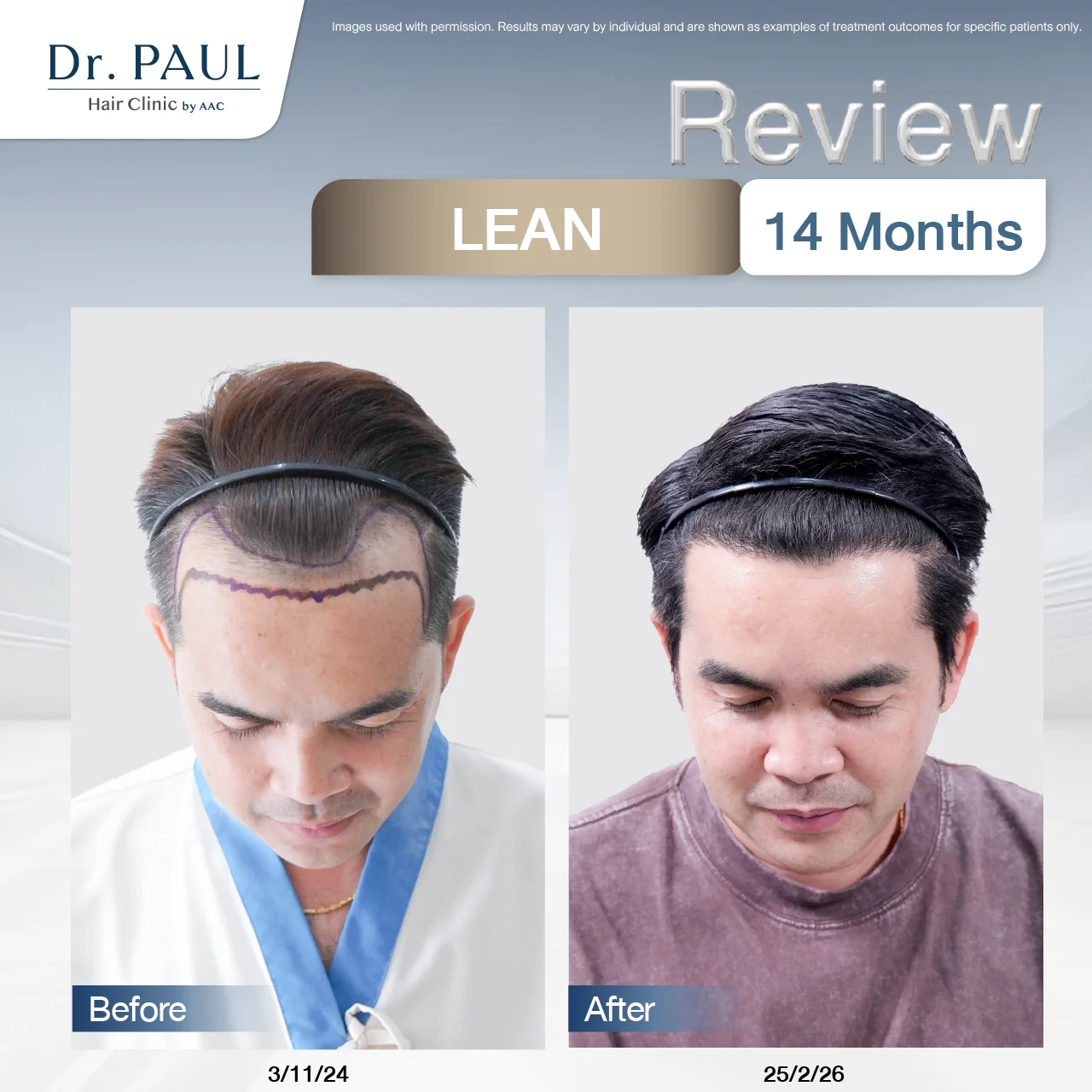
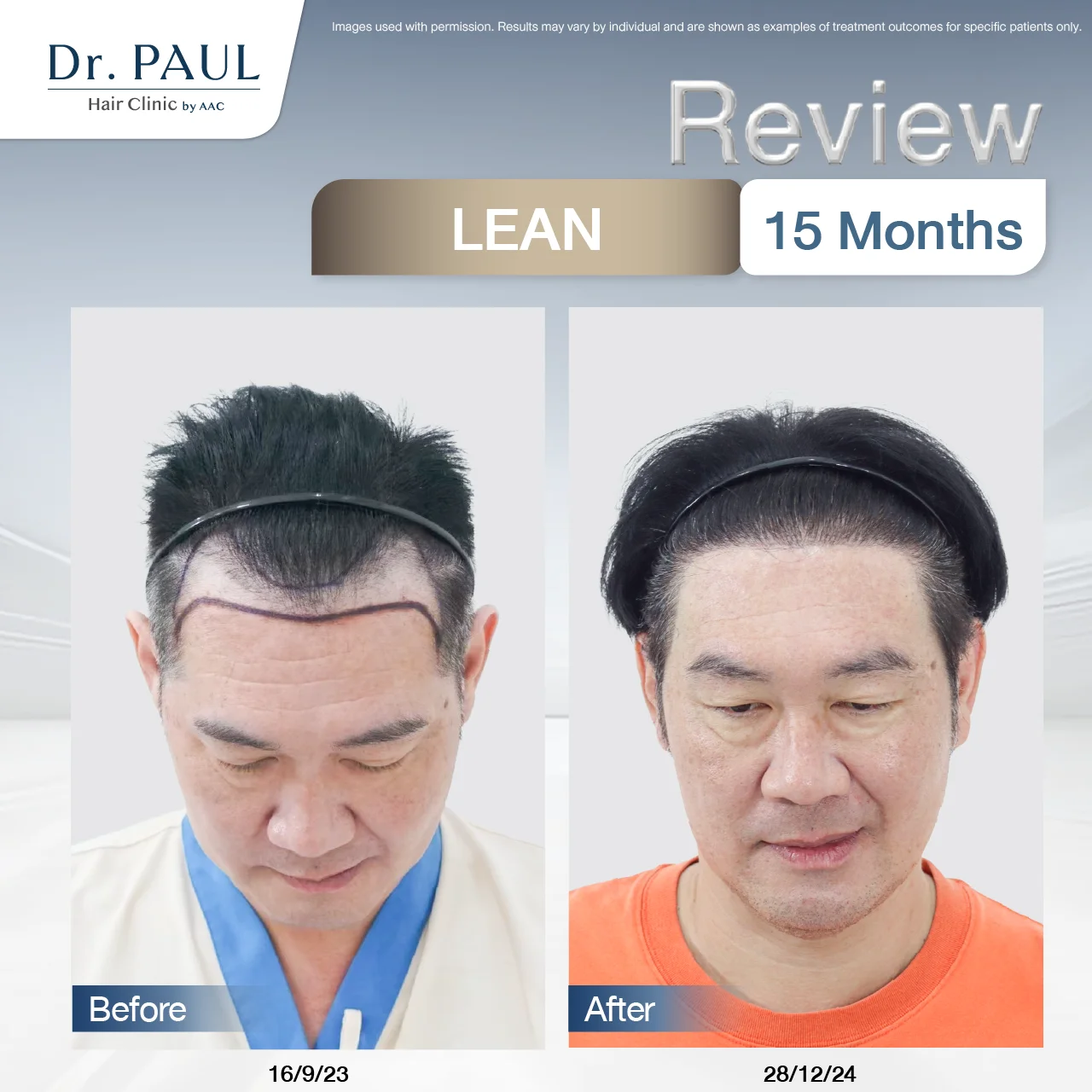
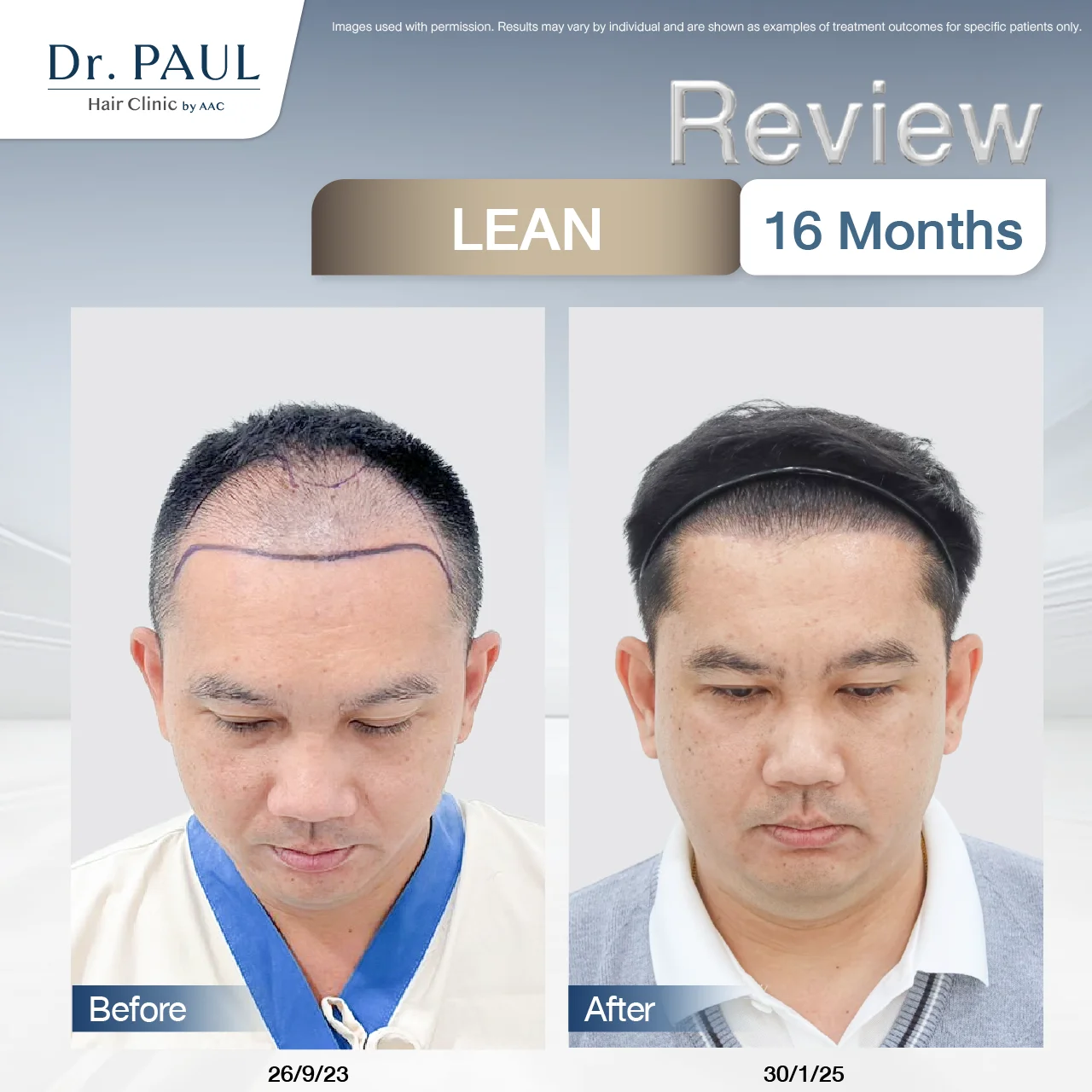
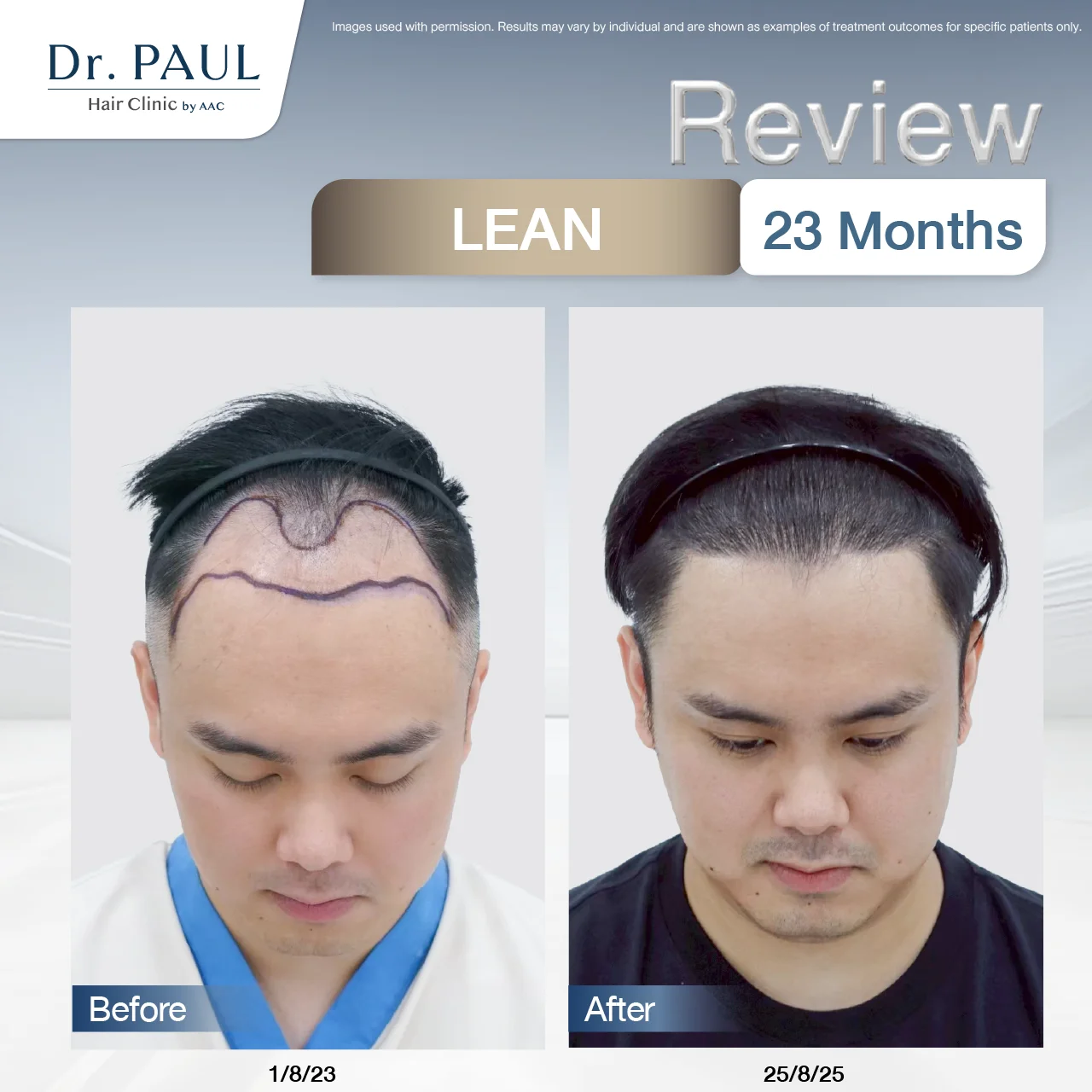
Examples of before-and-after hair transplant results from male patients
at Dr. PAUL Hair Clinic, among many others we’ve achieved.
Examples of before-and-after hair transplant results from male patients at Dr. PAUL Hair Clinic, among many others we’ve achieved.
What Does the Back of the Head Look
Like After a Hair Transplant?
What Does the Back of the Head Look Like After a Hair Transplant?
At Dr. PAUL Hair Clinic, we use extra-small extraction punches, only about 0.6–0.8 mm, and
harvest grafts using a widely distributed pattern across the donor area. As a result,
after the transplant, the back of the head looks naturally full and seamless,
with no thinning and no visible scarring.
At Dr. PAUL Hair Clinic, we use extra-small extraction punches, only about 0.6–0.8 mm, and harvest grafts using a widely distributed pattern across the donor area. As a result, after the transplant, the back of the head looks naturally full and seamless, with no thinning and no visible scarring.
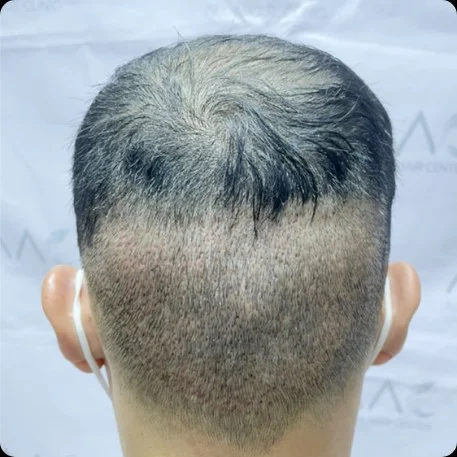
Day 1 after hair transplant
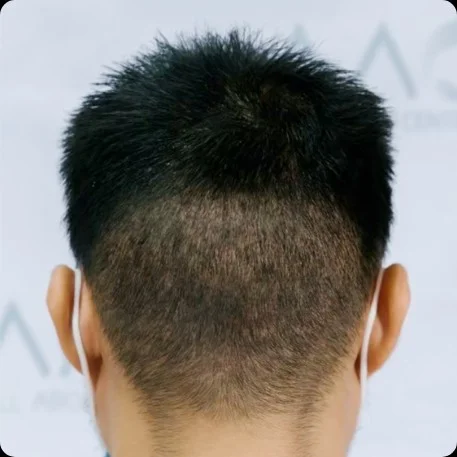
Day 14 after hair transplant
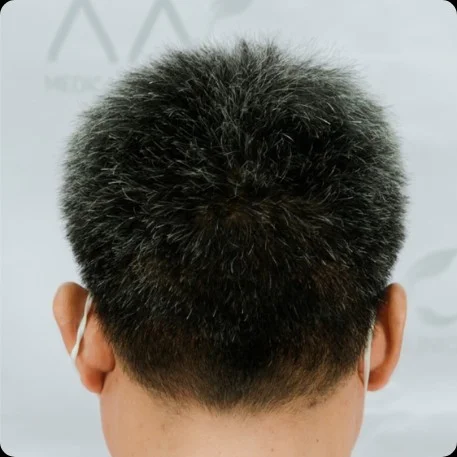
Day 30 after hair transplant
Frequently Asked Questions
Men’s hair transplant FAQ, answered by Dr. PAUL Hair Clinic.
What’s the Difference Between Hair Transplants for Men and Women?
There are a few key differences between men and women when it comes to hair transplants:
- Men and women tend to lose hair in different patterns. In men, genetic or hormonal hair loss typically starts at the front hairline and gradually spreads toward the crown. In women, it typically begins at the center part, with the front hairline rarely affected. Because of this, the areas targeted for transplantation often differ between men and women.
- Men and women also have different hairline shapes. Men’s hairlines tend to be more angular and sit higher on the forehead, with slightly coarser hair along the edge. Surgeons take these differences into account to design a hairline that looks natural to each patient’s facial structure.
- Men are typically more comfortable shaving their hair for the procedure, while women usually prefer non-shave techniques such as LEAN Non-Shaven or LEAN Long Hair. This gives men access to a wider range of options, including FUE, DHI, and LEAN, which tend to be more affordable than non-shave techniques.
Do I Need to Shave My Head for a Hair Transplant?
Hair transplants can be performed with or without shaving, depending on the technique used. At Dr. PAUL Hair Clinic, we offer non-shaven options including LEAN Non-Shaven and LEAN Long Hair.
Who Is a Good Candidate for a Hair Transplant?
A hair transplant may be a good option for men dealing with any of the following:
- Experiencing hair loss, thinning hair, or baldness caused by genetics or hormones
- Dealing with an uneven hairline, a high forehead, or an M-shaped receding hairline
- Have scalp scarring from burns, accidents, surgery, infection, or certain skin conditions
Does Hair Transplant Hurt?
Most patients report minimal discomfort during a hair transplant procedure, as local anesthesia is administered beforehand. Modern techniques also use very small extraction tools to minimize any trauma to the scalp. Following the procedure, your doctor will prescribe pain relief medication to help manage any mild tension or discomfort that may occur in the first few days after the procedure.
Does a Hair Transplant Look Natural?
Since a hair transplant uses the patient’s own hair follicles, and modern techniques allow for denser, more natural-looking placement than before, results generally look natural. That said, this also depends heavily on the doctor’s skill and attention to detail. Several key factors need to be carefully managed, including the angle and direction of each transplanted hair, proper distribution across graft zones, and a hairline designed to suit each patient’s gender and natural features.
How Long Is Hair Transplant Recovery Time?
Most patients are able to return to light, non-strenuous work — such as a typical office job — within 2–5 days after their procedure. For outdoor work or physically demanding activities, it is advisable to wait at least 7–14 days, as recommended by your doctor.
To achieve the best possible results, patients should follow their doctor’s post-care instructions closely. This includes refraining from smoking and alcohol, avoiding any contact with the grafted area, sleeping in the recommended position, and washing the hair gently — beginning only after the initial recovery period and strictly according to your doctor’s guidance.
How Long Until Hair Transplant Results Start Showing?
Transplanted hair grafts typically begin to grow 3–4 months after the procedure, with full results visible within 12–18 months.
Is a Hair Transplant Permanent?
Hair transplants use grafts taken from an area of the scalp that’s naturally resistant to DHT, the hormone primarily responsible for hair loss and thinning. Because of this, the results are permanent, provided no other disease or condition later affects the hair.